
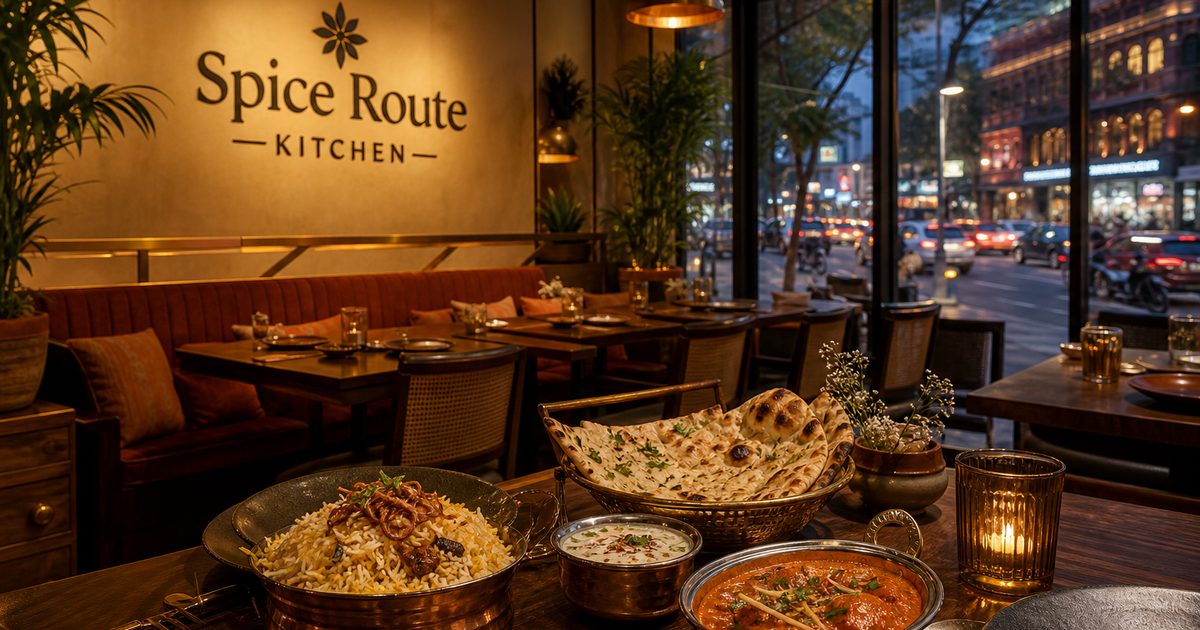
10 Google Business Profile Tips Every Indian Restaurant Needs in 2026
A step-by-step guide to optimising your Google Business Profile so your restaurant shows up first when customers search "restaurants near me" with specific tips for Indian F&B businesses.
Smarteer Team
Contents
When someone in your city craves biryani or wants to find the best dosa near them, the first place they look is Google. Not a food blog, not a newspaper listing - Google. Your Google Business Profile is the single most visible piece of digital real estate your restaurant owns, and most Indian restaurant owners are leaving serious money on the table by not optimising it properly. Whether you run a family dhaba, a multi-cuisine restaurant, or a cloud kitchen, these ten tips will help you show up, stand out, and convert searches into paying customers in 2026.
Why Your Google Business Profile Is Your Most Powerful Marketing Tool
Every day, millions of Indians type phrases like "restaurants near me," "best paneer butter masala in Bangalore," or "open now South Indian food" into Google. The results that appear in that prominent map section at the top of the page, the so-called Local Pack, are pulled directly from Google Business Profiles. If your profile is incomplete, inactive, or poorly maintained, you simply will not appear, and a competitor who spent thirty minutes filling out their profile correctly will win that customer instead.
The influence of Google Maps on dining decisions is enormous and still growing. Studies consistently show that a majority of people who search for a local restaurant visit one within 24 hours. Your profile does the work of a full-time front-of-house manager: it answers questions, shows your food, displays your hours, and lets customers call or get directions with a single tap. When optimised well, it generates more walk-ins, more phone reservations, and more delivery orders without any ongoing ad spend.
Build a Complete, Accurate Profile from the Ground Up
Google rewards completeness. The algorithm gives preference to profiles that have filled every available field, so treat this as the non-negotiable foundation before anything else. Start with the basics: your exact business name as it appears on your signboard, your primary category (for example, "Indian Restaurant" or "South Indian Restaurant"), your full address including floor or shop number, a working local phone number, your website URL, and precise opening hours for every day of the week, including public holidays.
Beyond the basics, spend time on the details that actually influence customer decisions. Under Service Options, clearly mark whether you offer dine-in, takeaway, or home delivery. Add your average price range so customers are not surprised. Fill in the Attributes section thoroughly: does your restaurant have parking? Is it air-conditioned? Do you offer a pure vegetarian menu, or Jain options? Is it family-friendly? Each of these small signals helps Google match your profile to the right searches, and helps customers choose you with confidence.
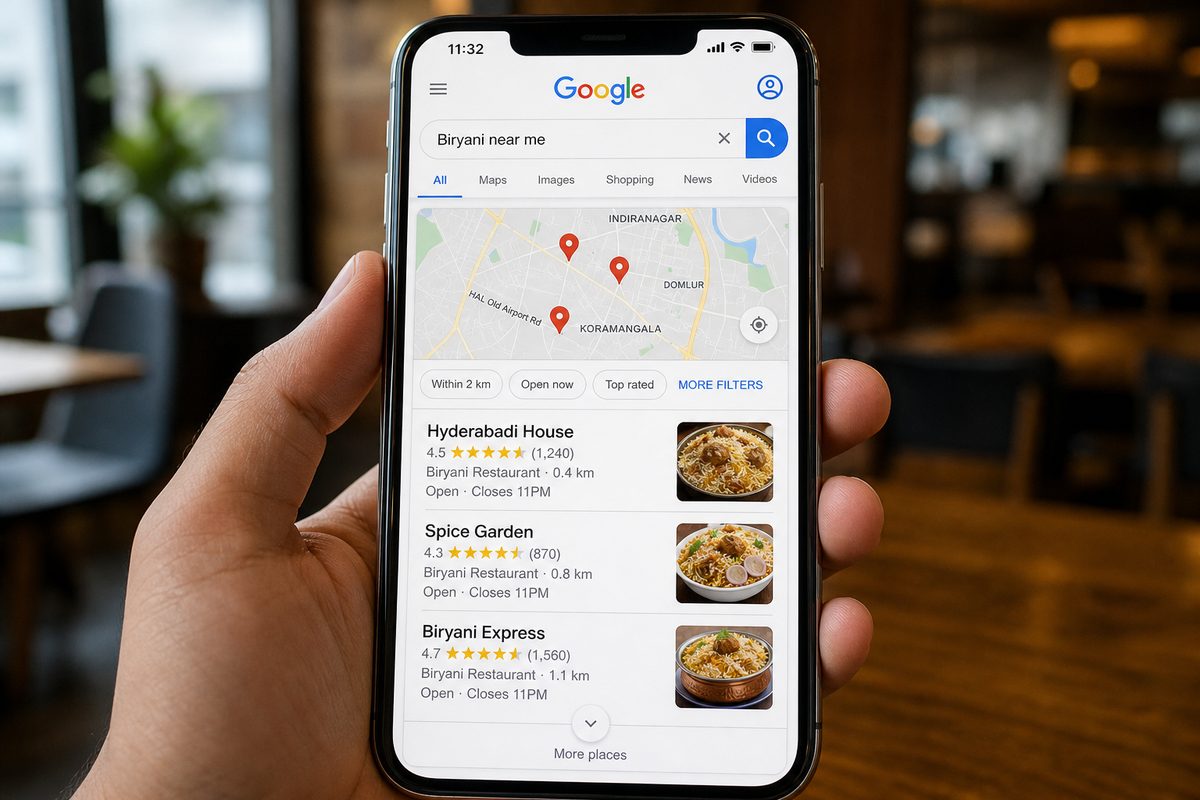
One common mistake is letting incorrect information sit uncorrected for months. Wrong hours are particularly damaging: a customer who drives to your restaurant on a Monday only to find it closed will leave a frustrated review and never return. Set a recurring reminder to verify your hours every season and update them immediately whenever anything changes.
Use Photos to Sell the Experience Before Customers Arrive
High-quality photos are the single fastest way to improve your profile's performance. Restaurants with more than 100 photos on their Google Business Profile receive dramatically more direction requests and phone calls than those with just a handful of images. The reason is simple: people eat with their eyes first. A crisp, well-lit photograph of your signature butter chicken or a beautifully plated thali does more persuasive work than any amount of text description.
Structure your photo uploads across several categories. Start with your exterior so customers can recognise the entrance from the street. Add interior shots that convey your ambience, whether you have a warm family dining room, a rooftop terrace, or a sleek modern space. Then focus heavily on food: photograph your most popular dishes, your thali, your desserts, and your beverages in good natural light. Include a photo of your physical menu if you have one, and consider adding a few shots of your staff to humanise the brand.
Consistency matters as much as quality. Aim to upload at least two or three new photos every month. Fresh uploads signal to Google that your business is active, and they also give returning visitors something new to notice. Avoid over-filtered or misleading photos: customers who arrive expecting what they see online and find something different will mention it in reviews.
Treat Reviews as a Conversation, Not a Report Card
Customer reviews are one of the most heavily weighted ranking signals in Google's local search algorithm. Restaurants with a higher volume of recent, positive reviews consistently outrank competitors with fewer or older reviews, even when other profile signals are equal. The first step is to make asking for reviews a natural part of your customer journey. Train your staff to mention it verbally at the end of a meal, print a small QR code that links directly to your review page on the bill, or send a follow-up WhatsApp message to regulars with a polite request.
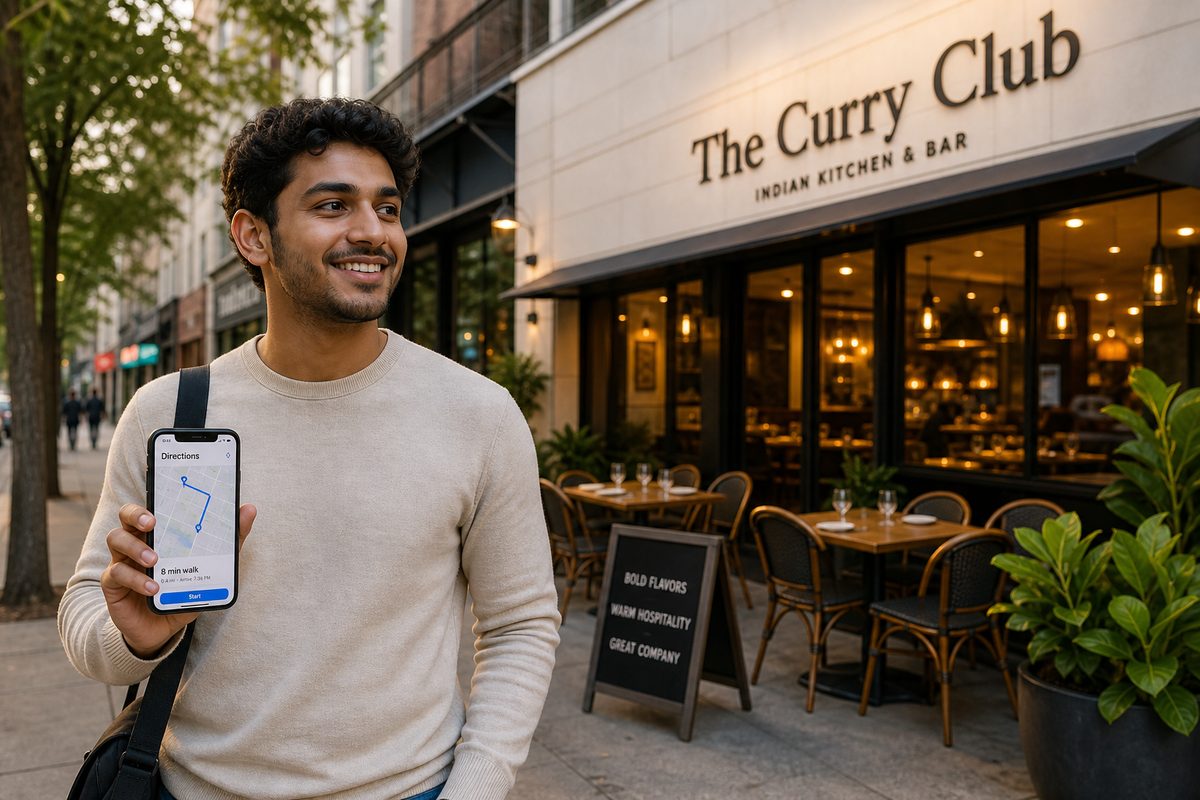
Responding to reviews is equally important, and it is where most restaurant owners fall short. Reply to every positive review with a specific, warm response. Avoid copy-pasting the same generic thank-you message: mention the dish they loved, or acknowledge a detail they shared. For negative reviews, respond calmly, apologise for the experience, explain what you are doing to address the issue, and invite the customer to return. A gracious, professional response to a negative review often reassures potential customers more than a five-star rating alone.
Never buy fake reviews or ask friends to post reviews they did not earn honestly. Google has become extremely good at detecting inauthentic review patterns, and profiles caught doing this are penalised or suspended. Genuine reviews, gathered consistently over time, are the only strategy that works long-term.
Keep Your Profile Active with Posts, Menus, and Offers
Think of your Google Business Profile as a mini social media channel that customers encounter right at the moment of their highest intent. The Google Posts feature lets you publish short updates directly on your profile: new menu items, weekend specials, festive thali offers, live music nights, or a chef's special that changes weekly. These posts appear prominently in search results and on Maps, and they give people a reason to choose you over a competitor whose profile has been silent for months.
Keeping your menu accurate is another area that pays consistent dividends. Use the menu section in your profile to list your dishes with prices, and update it whenever you add a seasonal item or change your pricing. Many customers make their decision about where to eat based on whether a specific dish is available and what it costs. An outdated or empty menu section forces them to leave Google and visit your website, and some will simply move on to a restaurant whose information is immediately available.
During festivals and peak dining seasons, be proactive about updating your hours and adding a post about any special menus or events. A Diwali thali post or an Eid special offer published a few days before the holiday can generate meaningful additional footfall from people actively searching for celebratory dining options in your area.
Optimise for Local Searches and Track What's Working
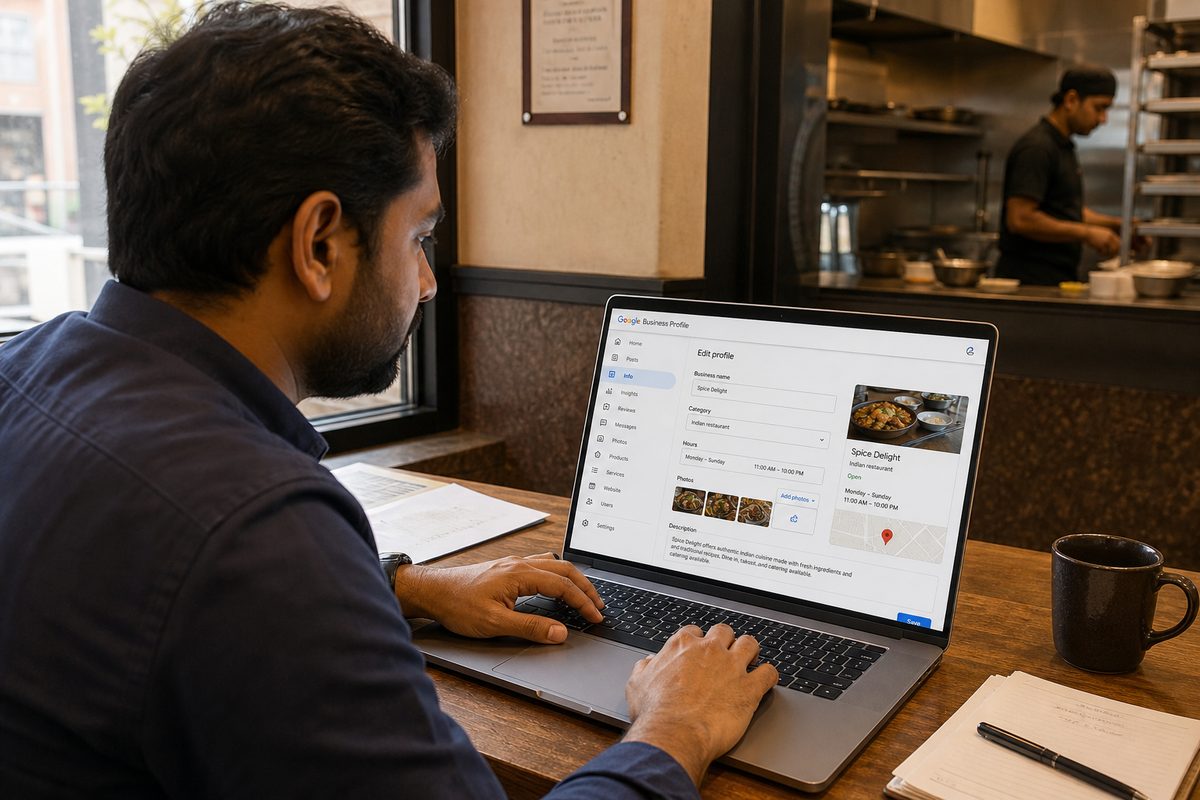
Choosing the right categories is one of the highest-leverage optimisations you can make. Your primary category should be as specific as possible: "South Indian Restaurant," "Mughlai Restaurant," or "Chettinad Restaurant" will rank better for relevant searches than the generic "Restaurant" category. You can add secondary categories to capture related searches, for example adding "Vegetarian Restaurant" alongside your primary category if most of your menu is plant-based.
In your business description and Q&A section, mention your locality naturally. If you are in Koramangala, Juhu, or Connaught Place, use that neighbourhood name in context rather than forcing it awkwardly. Highlight your most popular dishes by name: Google extracts these signals to understand what your restaurant is known for. Adding attributes like "free parking," "family-friendly," "good for groups," or "outdoor seating" helps your profile surface in filtered searches that customers use to narrow down their options.
Finally, review your Profile Insights at least once a month. Google provides data on how many people viewed your profile, how many requested directions, how many called you, and which photos received the most views. Use this data to understand what is working: if your food photos consistently outperform your interior photos, prioritise uploading more food content. If direction requests spike on weekends, consider whether your Saturday and Sunday hours are clearly communicated. These insights cost nothing to access and give you a clear picture of how real customers are interacting with your business online.
Your Quick-Action Checklist
Complete every profile field: name, category, address, phone, website, hours, and service options.
Upload high-quality photos: exterior, interior, food, menu, and staff. Add new photos monthly.
Collect genuine customer reviews: ask in person, via QR code on the bill, or through WhatsApp follow-ups.
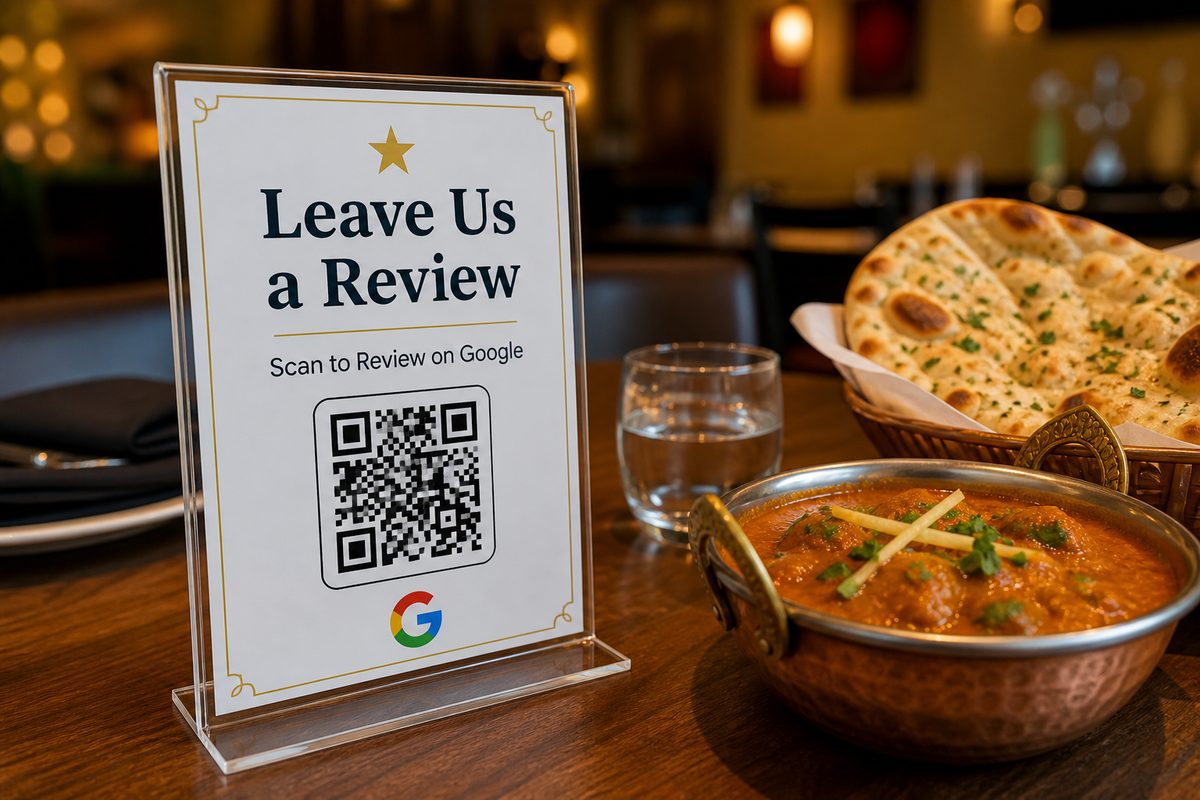
Google review boost strategy Reply to every review: personalise positive responses and address negative ones calmly and constructively.
Publish Google Posts regularly: share specials, new dishes, events, and seasonal offers at least twice a month.
Keep your menu and hours accurate: update immediately after any change, especially around holidays.
Monitor Profile Insights: check monthly and adjust your content strategy based on what the data shows.
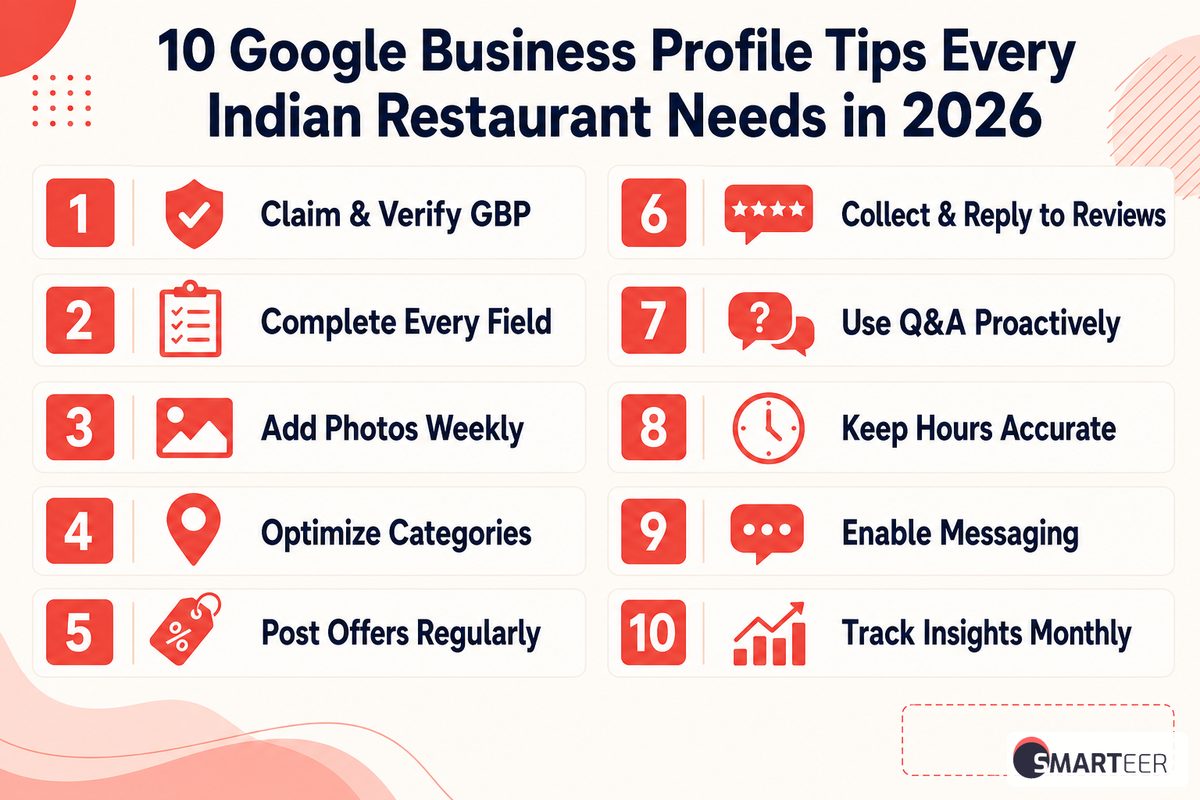
Your Google Business Profile is not a one-time setup task: it is a living part of your restaurant's marketing that rewards ongoing attention. The good news is that most of the work is straightforward, and even small improvements compound into real results over time. Start today by auditing your current profile against this checklist, fix the gaps you find, and make a habit of returning to it every month. The restaurants that win the local search game in 2026 will not necessarily be the ones with the biggest budgets; they will be the ones who treat their online presence with the same care they bring to their food and service.
Smarteer Team
Get a Free Technology Consultation
Talk to our experts about your project — no commitment required.
Book a Call →Build Your MVP in 4 Weeks
Proven framework. Fixed price. From zero to live product.
Learn More →Newsletter
Get the latest insights delivered to your inbox.